If you liked this, Pin to Pinterest, or save for later.
Noticed Google Looking a Bit Different Lately?
So, you're not imagining it. Google AI Mode has properly arrived, and it's changing how people find (or don't find) your website. 🌿
Back in May, at its I/O conference, Google announced what it called the biggest upgrade to the search box in over 25 years. Instead of typing a few keywords and scanning 10 blue links, people can now ask longer, more conversational questions, upload images or documents, and get a synthesised AI answer, without ever clicking through to a website. And by August, that shift had properly landed: Google began testing a homepage for signed-out users where the classic Search button is gone entirely, replaced with AI Mode built directly into the search box (see screenshot below).
In this post, we'll cover:
What's actually changed, and why it's not the same as a run-of-the-mill algorithm update
Whether this is bad news for small business owners (spoiler: a tad, yes, but not entirely)
What you can actually do about it, without panicking or chasing every trend
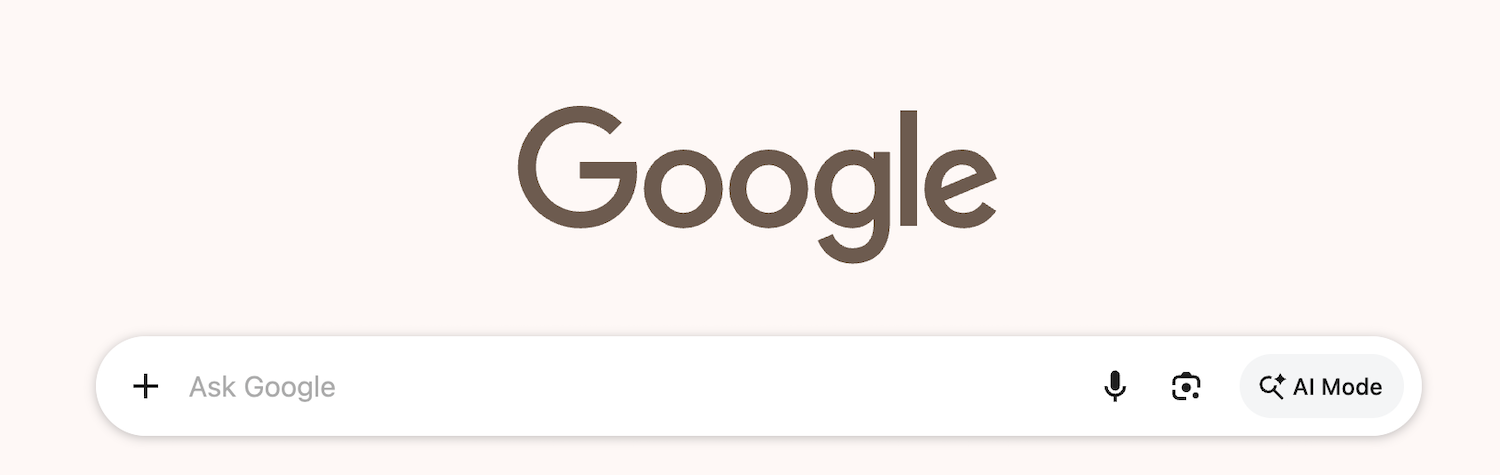
Google AI mode screenshot from my computer
So What Actually Changed?
Two different things happened around the same time, and it's worth having a good ole look at them separately. 🍂
The first is AI Mode, a display change. Google merged its AI Overviews and AI Mode features into one experience, and reworked the search box itself to handle longer, natural questions rather than short keyword searches. Traditional links haven't disappeared, but they're no longer the priority for many searches, the interface now nudges people towards asking a follow-up question instead of scrolling down the page.
The second is the August 2026 spam update, a ranking change, not a display one. It rolled out on 18 August over roughly two days and sixteen hours, the longest of three spam updates Google shipped this year, and caused an 82% increase in top-10 web pages dropping out of the top 100 compared with a normal period (source: SE Ranking, via Search Engine Land). It didn't introduce new rules, just tightened enforcement of existing ones against low-quality and manipulative content.
Different causes, same underlying message: clear, well-structured content matters more than ever, whichever one affected you.
Here's the bigger picture worth understanding, though. Google didn't build AI Mode purely out of the goodness of its heart. People have been leaning towards ChatGPT and Perplexity for quick, synthesised answers, and every one of those searches is traffic (and ad revenue) Google doesn't see. AI Mode is Google's way of keeping people answering their questions inside Google, rather than mooching off to another browser entirely, and the numbers back this up plainly: Google's Search advertising revenue hit £63.3 billion in Q2 2026 alone, up 17% year-on-year, even after a full year of AI Mode running at scale (source: Alphabet Q2 2026 earnings).
Ads are now appearing inside roughly a quarter of AI Overview results too, up from around 3% at the start of last year (source: DigitalApplied, 2026), Google's simply building the same advertising business into the new format. At the end of the day, Google wants people happy enough with what it serves up to stay, because that's still where the money is. 🌿
Why This Actually Matters for Your Business
Here's the bit that should get your attention, not the SEO jargon, the numbers.
Research through 2026 found that the overlap between top-ranking Google links and the sources AI Mode actually cites has fallen from around 70% to below 20%. In plain English: ranking on page one no longer guarantees Google's AI features will mention you at all. They're increasingly separate games.
Say someone searches "how do I choose curtains for a bay window", AI Mode will likely answer that outright, no click needed. But "should I hire an interior designer for my whole ground floor" is a different kind of question entirely, that's not something anyone's outsourcing to an AI paragraph. For a designer relying on organic search to bring in proper enquiries, that distinction is worth sitting with, no glossing over it.
I've written more on this exact audience here: Squarespace Website Design for Interior Designers, it covers the SEO fundamentals specific to your world, alt text for portfolio images, high-end client trust signals, the lot.
Here's the trap worth naming, too. Unexplained ranking volatility, movement Google never confirms or explains, seems to have become the new normal. Your position can shift over a weekend without you touching a single page, and a ranking number you checked last month may already describe a results page that no longer exists. It's awfully tempting to respond by checking obsessively, refreshing your rank tracker, watching the numbers wobble.
But checking isn't the same as fixing. You can spend a whole week confirming you've slipped from position eight to eleven, and at the end of it, your portfolio's still the same three projects, and that testimonial page is still empty. Put that energy somewhere steadier instead. 🌿
Is This Actually Bad News for Small Business Owners?
Let's not sugarcoat this bit, because I don't think it's fair to pretend it's all sunshine and easy wins. 🌻
For simple, informational questions, "what foods lower cholesterol," "how much protein do I need a day," AI Mode really does just answer the question, and the click never happens. That traffic's largely gone, and no amount of clever SEO brings it roaring back. If your blog's built on answering exactly that kind of question to draw people in, that'll need to change, and I won't tell you otherwise.
But here's where there's still proper opportunity, worth leaning into:
Big decisions still need a real human, not a summary. Nobody's committing to a 12-week 1:1 coaching programme based on a paragraph an AI generated. Questions like "is this coach actually right for me" or "will this approach work for my specific situation" need judgement and trust, an AI can inform that, but it can't close it. The click still happens when someone’s ready to choose who, not just understand what.
Being cited without a click still isn't nothing. If AI Mode names you repeatedly as a source on topics in your niche, that's closer to being quoted in a trade magazine than losing a client altogether, it builds recognition even on the days nobody clicks through.
Local and niche searches are stickier. "Nutritionist for perimenopause weight gain Leeds" isn't something AI can fully answer for someone, it still needs a real decision about a real person. That's the good stuff, and it's not going anywhere.
And I get it, because I'm right there with you, too, watching a familiar traffic source shift under your feet is major unsettling, even when you understand why it's happening. The honest version isn't "don't worry, it's fine." It's this: the era of ranking for generic how-to content and hoping for traffic is on the way out. The era of being the trusted, specific choice for a real decision isn't going anywhere, if anything, it matters more now.
What You Can Actually Do About It
Nothing here needs a full website overhaul (unless custom web design, or a 3-day website is on your radar and what you need), this is more a shift in emphasis than a reason to panic. 🌻
The Basics Still Matter, Properly
If terms like SEO and AIO already feel like a foreign language, take a breath, this bit's for you, and I understand, it can feel like a bit of a nightmare when the goalposts keep moving. 🌱
Whatever changes with AI Mode, basic on-page SEO is still the foundation everything else is built on. If you've never had this explained plainly before, on-page SEO just means the handful of behind-the-scenes bits and bobs on each page of your website that help Google (and now AI Mode) understand what that page is actually about:
A clear page title and meta description (the text that shows up in search results)
Headings that actually describe what each section covers, not just decorative phrases
Alt text on your images (a short written description, mainly for accessibility, but Google reads it too)
Content that properly answers the question someone typed in
None of this is new, and none of it needs technical skill, it's things like Squarespace's built-in SEO fields making this simpler, not a coding project. AI Mode hasn't replaced any of this, it's just added a second layer on top.
Get the basics right first, they’re still doing most of the work, whether a human or an AI ends up reading your page.
If you'd like the fuller checklist behind these basics, I've written a proper deep-dive: 27 Best Ways to Rank Higher, with a Free Squarespace SEO Checklist.
Make Your Content Properly Answerable
AI Mode favours content that directly answers a real question, clearly and quickly, no waffle.
Lead with the answer, then explain, rather than building up to it, "here's how to choose a rug size" is better than three paragraphs of scene-setting first
Use proper FAQ sections (Squarespace's Accordion block works well for this - see mine below ;)), the kind of questions a client would actually ask before their first consultation
Write in plain, specific language rather than vague marketing copy, "a warm, layered scheme using tactile textures" tells someone more than "beautiful, considered spaces"
This ties into something I've written about before, answering the actual questions your ideal client is searching for does more for your traffic than almost anything else.
Keep Your Technical Foundations Solid
None of this AI-era advice works if Google can't properly read your site in the first place.
This is still where Google Search Console earns its keep, and it's just gained a feature worth knowing about: it now surfaces Generative AI performance data, showing you clicks and impressions specifically tied to AI Overviews and AI Mode, not just standard search. If you only take one technical action from this whole post, checking this, is it. It tells you directly whether AI Mode is already sending you traffic, or quietly summarising your content without a click landing on your site.
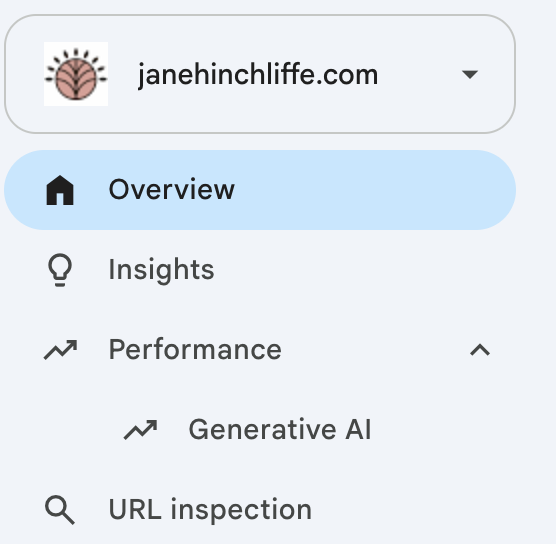
Screenshot showing the location for Generative AI via my Google Search Console account
A word on schema, too, you may have heard this term thrown around. Schema (or structured data) is a bit of behind-the-scenes code that labels your content clearly for Google and AI systems, “this is a blog post”, “this is a product”, “this is an FAQ”. The properly reassuring part: if you're on Squarespace, it's largely handled for you automatically, without you touching any code. One less thing to faff about with.
Don't Abandon Traditional SEO
This is the bit worth saying plainly: traditional SEO isn't dead. 🐝
Classic links haven't disappeared, and plenty of searches still show a traditional results page. Chasing every AI trend at the expense of your basic SEO foundations, proper metadata, genuine keywords, working links, would be a mistake in the other direction.
Just want your SEO sorted, without the overwhelm? ☕️
My SEO Starter Package (cost £425) comprises of keyword research focused on your brand, a current audit with a screen recording walkthrough, and a 90 minute chat focusing on how to fix the basics yourself, a checklist and resources to keep, and quick wins you can put in place. A proper no-brainer if this whole post has felt like a lot.
Build the Trust Signals AI Actually Notices
AI systems don't just check whether your content is correct, they weigh whether it's trustworthy enough to repeat.
A couple of things to help here:
A real author bio, so it's clear a qualified, real person with real experience wrote this, not a content farm, your credentials and years in practice belong front and centre, not buried on an About page
Specifics over generic advice. "In my clinic, I typically see clients hit a plateau around week six, here's what usually helps" gets pulled into an AI-generated summary far more readily than "everybody's journey is different." Safe, generic advice that sounds like every other wellness page rarely gets cited, however well it ranks
Linking your related posts together, the way your post links back to your content. It signals proper depth on a topic, not a one-off post chasing a keyword
None of this is a big technical project. It's mostly about writing like yourself, with real specifics, rather than writing "SEO-safe." 🌱
If you'd like the fuller picture for your industry specifically, have a read of How to Attract More Leads for Coaches, it goes deeper into SEO for exactly this kind of practice.
This is really the same argument I make for why blogging beats relying on social media, content you own and control builds trust in a way a passing Instagram post never will, and that's exactly what AI Mode is now rewarding too.
A Strong Brand Identity Still Does Real Work
Being cited in an AI answer is a fleeting moment, no logo, no context, often just your name and a snippet.
What makes someone actually remember you five seconds later, and click through when it's decision time, is whether you've already built proper recognition: a consistent look, voice, and positioning across your website, socials, and Google Business Profile. A business with scattered, inconsistent branding is easy to forget. A business with a clear, distinctive identity sticks. It's the same trust-building principle as the section above, just showing up visually rather than in your writing.
Own Your Audience, Not Just Your Ranking
Everything in this post so far is about being found, but the real hedge against all this volatility is having a direct line to people that doesn't depend on Google's mood at all.
An email list is the obvious one, people who've chosen to hear from you directly, no algorithm, no AI summary standing between you and them. Building that relationship steadily, through something like a regular newsletter, means you're not solely reliant on search rankings or AI citations for your business to keep ticking over. It's the difference between renting your traffic and actually owning a relationship.
Free Tools Worth Having in Your Back Pocket
You don't need a paid AI-tracking subscription to start getting a feel for this. 🐝
Ask the question yourself. Type your ideal client's exact question into ChatGPT, Perplexity, or Google's AI Mode, and see who gets cited, and from where. Perplexity shows its sources openly, so it's the easiest one to check.
Google's Rich Results Test (see screenshot below) — free, no signup, checks whether your FAQ and page markup is actually readable by search engines, worth a quick check even though Squarespace handles most of this for you
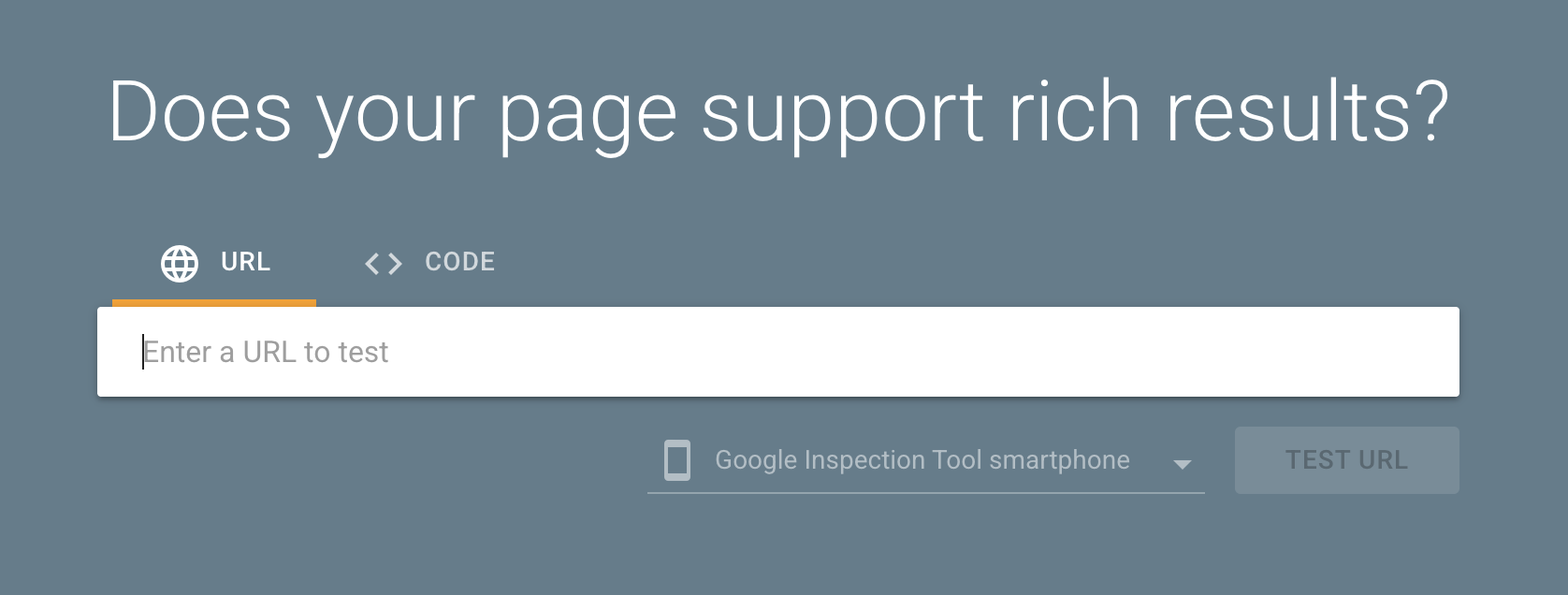
Screenshot: Google Rich Results
Don't Forget These Other Channels
Everything so far has been about written content, but AI Mode reaches further than that, and it's worth a quick word on each. 🌿
Video and YouTube
This is the one that's crept up fastest.
Google's rolled out "Ask YouTube," letting people search conversationally across video content, and AI Overviews now pull directly from video captions and transcripts, not just written pages, when deciding who to surface. You don't need a slick production budget, a simple, well-titled walkthrough with captions on now counts as genuinely searchable content, and if you've got none at all, that's a proper gap worth closing.
Google Reviews
Reviews have quietly become more than social proof.
Google's confirmed that AI Mode taps into fresh, real-time sources including reviews when it builds its answers. That moves reviews from "nice to have" to an actual input AI is reading. Keeping a steady stream of recent reviews coming in matters more now than a big pile of old ones ever did.
Selling Products? Read This One Properly
If you run an online shop, this is the biggest shift of the lot, so don't skim it.
Google's rolling out "Universal Cart," letting people add products to a basket while browsing Search, chatting with Gemini, or watching YouTube, without ever landing on your website. For product-based businesses, this means your product data, structured data, and feed quality matter as much as your product page's design. Worth a proper look at how your product feed's set up, not just how the page looks.
Local SEO
The good news, this one's holding up well, arguably better than ever.
Local visibility was named directly in Google's own Marketing Live recap as one of the things keeping businesses in a stronger position through this shift. Google's even testing agentic local booking, finding and booking a local service entirely through AI. For a properly local business, that's a much harder thing for AI to fully answer without you, "near me" and location-specific searches remain some of the stickiest, most human-decision-dependent searches there are.
Frequently Asked Questions
A few quick answers to the questions that come up most.
-
AI Mode is Google's conversational search experience, merged with AI Overviews in 2026, that answers longer, natural-language questions directly rather than only showing a list of links.
-
Check Google Search Console for changes in impressions versus clicks. A rise in impressions with falling clicks can suggest people are seeing your content summarised in AI answers without visiting your site.
-
Not entirely. Simple styling questions may get answered by AI directly, but decision-stage searches, choosing a designer, coach, consultant, for a real project, still need a human. A strong portfolio/testimonials and clear process pages still do real work here.
So, the fundamentals, clarity, structure, and proper sourcing, matter for both. -
No, though it can answer generic nutrition questions directly. What it can't do is offer judgement about someone's specific situation, history, or goals, which is exactly where the human relationship still matters.
The Takeaway 🌿
So then, Google isn't broken, it's being rebuilt in plain sight, and you don't need to rebuild your whole strategy in response.
The businesses that'll do best through this shift are the ones already doing the fundamentals properly: useful content, clear structure, and a website that's technically sound underneath it all. It's not flashy work, but it's the good stuff, and it's worth it. 🤎
Not sure which bit of support actually fits where you're at? Here's the honest breakdown:
Want a wider check across your whole website, not just SEO? A Web Audit Service covers your site more broadly, design, functionality, and strategy, alongside SEO.
Feeling like your whole approach needs a rethink, not just a check-up? A Web Strategy Session gives you 90 minutes to properly explore what's next, together, no jargon, just clarity on your next steps.
Wherever you land, I'm by your side either way, whatever you do. 🌿
Current freebie web resources - (downloads)

Join the HeartBiz Newsletter
Take a look at the services I offer ↓

Recent Blog Posts